Peptide Calculator UK
Our free peptide calculator (also known as a peptide calc or peptide reconstitution calculator) works out concentration and sample volume for laboratory research, with a U-100 scale reference. For a quick comparison, see the peptide reconstitution chart below.
Peptide reconstitution calculator
Results
Ready to calculate
Fill in the three inputs to see your results.
- Vial peptide mass — incomplete
- Solution volume — incomplete
- Sample mass — incomplete
- U-100 scale reading
- — units
- Equivalent to — mL
Small marks: 2 units.
- Concentration
- — mg/mL
- Theoretical whole aliquots
- —
Show the working
Based on the volume entered
- Concentration
- —
- Sample mass
- —
- Sample volume
- —
- U-100 equivalent
- —
- Concentration in mcg/mL
- —
- Theoretical whole aliquots
- —
The ≈ symbol marks a rounded result. The calculator uses unrounded values. The aliquot count shows how many whole samples the vial could yield. Actual recovery may be lower.
Related laboratory supply
Check which diluent is suitable for your material.
Bacteriostatic Water 10 mL10 mL vial · 0.9% benzyl alcohol £4.99How peptide concentration and sample volume are calculated
Divide the vial’s peptide mass by the final solution volume to find the concentration in mg/mL. Then divide the sample mass by that concentration to find its volume in mL. Use the measured final volume when available.
- ConcentrationPeptide mass (mg) ÷ final solution volume (mL) = concentration (mg/mL)
- Sample volumeSample mass (mg) ÷ concentration (mg/mL) = mL
- U-100 unitsSample volume (mL) × 100 = equivalent units
Example: 10 mg in a final volume of 2 mL gives 5 mg/mL, equivalent to 5,000 mcg/mL. The calculation assumes the peptide dissolves fully and the solution is evenly mixed. For help choosing a diluent, see the laboratory reconstitution guide.
Peptide reconstitution chart
Compare concentrations for different vial masses and final solution volumes. Each cell shows mg/mL and the equivalent mcg/mL underneath. Values are rounded and assume the peptide dissolves fully.
| Vial peptide mass | 1 mL final volume | 2 mL final volume | 3 mL final volume |
|---|---|---|---|
| 1 mg | 1 mg/mL1,000 mcg/mL | 0.5 mg/mL500 mcg/mL | 0.33 mg/mL333 mcg/mL |
| 2 mg | 2 mg/mL2,000 mcg/mL | 1 mg/mL1,000 mcg/mL | 0.67 mg/mL667 mcg/mL |
| 5 mg | 5 mg/mL5,000 mcg/mL | 2.5 mg/mL2,500 mcg/mL | 1.67 mg/mL1,667 mcg/mL |
| 10 mg | 10 mg/mL10,000 mcg/mL | 5 mg/mL5,000 mcg/mL | 3.33 mg/mL3,333 mcg/mL |
| 20 mg | 20 mg/mL20,000 mcg/mL | 10 mg/mL10,000 mcg/mL | 6.67 mg/mL6,667 mcg/mL |
| 30 mg | 30 mg/mL30,000 mcg/mL | 15 mg/mL15,000 mcg/mL | 10 mg/mL10,000 mcg/mL |
| 40 mg | 40 mg/mL40,000 mcg/mL | 20 mg/mL20,000 mcg/mL | 13.33 mg/mL13,333 mcg/mL |
| 50 mg | 50 mg/mL50,000 mcg/mL | 25 mg/mL25,000 mcg/mL | 16.67 mg/mL16,667 mcg/mL |
| 100 mg | 100 mg/mL100,000 mcg/mL | 50 mg/mL50,000 mcg/mL | 33.33 mg/mL33,333 mcg/mL |
Peptide calculator FAQs
Is the peptide calculator free?
Yes. You can use it without an account or a purchase.
What is a peptide reconstitution calculator?
It works out the concentration of a solution and the volume that contains a given sample mass.
How is peptide concentration calculated?
Divide the peptide mass in mg by the final solution volume in mL. For example, 10 mg in 2 mL gives 5 mg/mL.
How do I convert peptide mass from mg to mL?
Divide the sample mass in mg by the concentration in mg/mL. You need the concentration to calculate a volume.
Does changing the final volume change the number of equal samples?
The theoretical number of equal-mass samples stays the same. With more liquid, the solution is less concentrated and each sample takes up more volume.
What does the U-100 scale show?
The scale shows liquid volume. On a U-100 scale, 100 units equal 1 mL and 10 units equal 0.1 mL.
Why is my sample volume above the selected scale capacity?
The sample volume is larger than the scale can display. Choosing a larger scale leaves the calculated volume unchanged.
What if the final solution volume differs from the amount of diluent added?
Enter the measured final volume under Advanced: final volume. The calculator uses the amount of diluent added when you leave that field blank.
Can I use this as a peptide mixing calculator?
Yes. Enter the peptide mass and final solution volume to estimate concentration. Check the material’s documentation when choosing a diluent.
Can I use this as a peptide dilution calculator?
You can compare concentrations for the same peptide mass at different final volumes. To dilute an existing stock solution, you also need its starting concentration and the volume you plan to use.
Can I calculate concentrations for two compounds in one vial?
Yes, if you know each compound’s mass. Calculate each concentration separately using its own mass and the same final solution volume.
Explore more
Laboratory guides and research products.
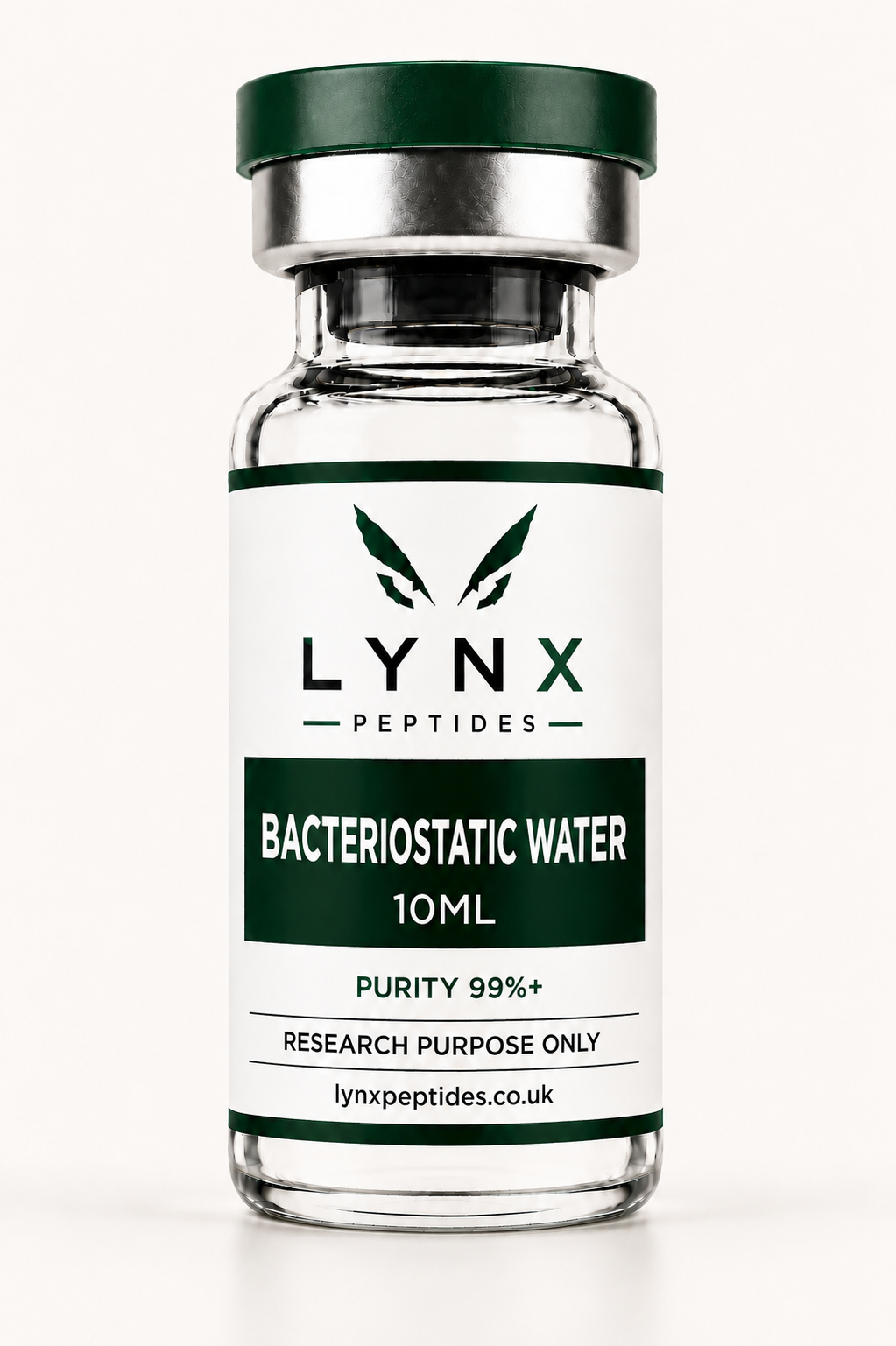 Bacteriostatic Water 10 mL10 mL preserved water with 0.9% benzyl alcohol. Laboratory reconstitution diluent.
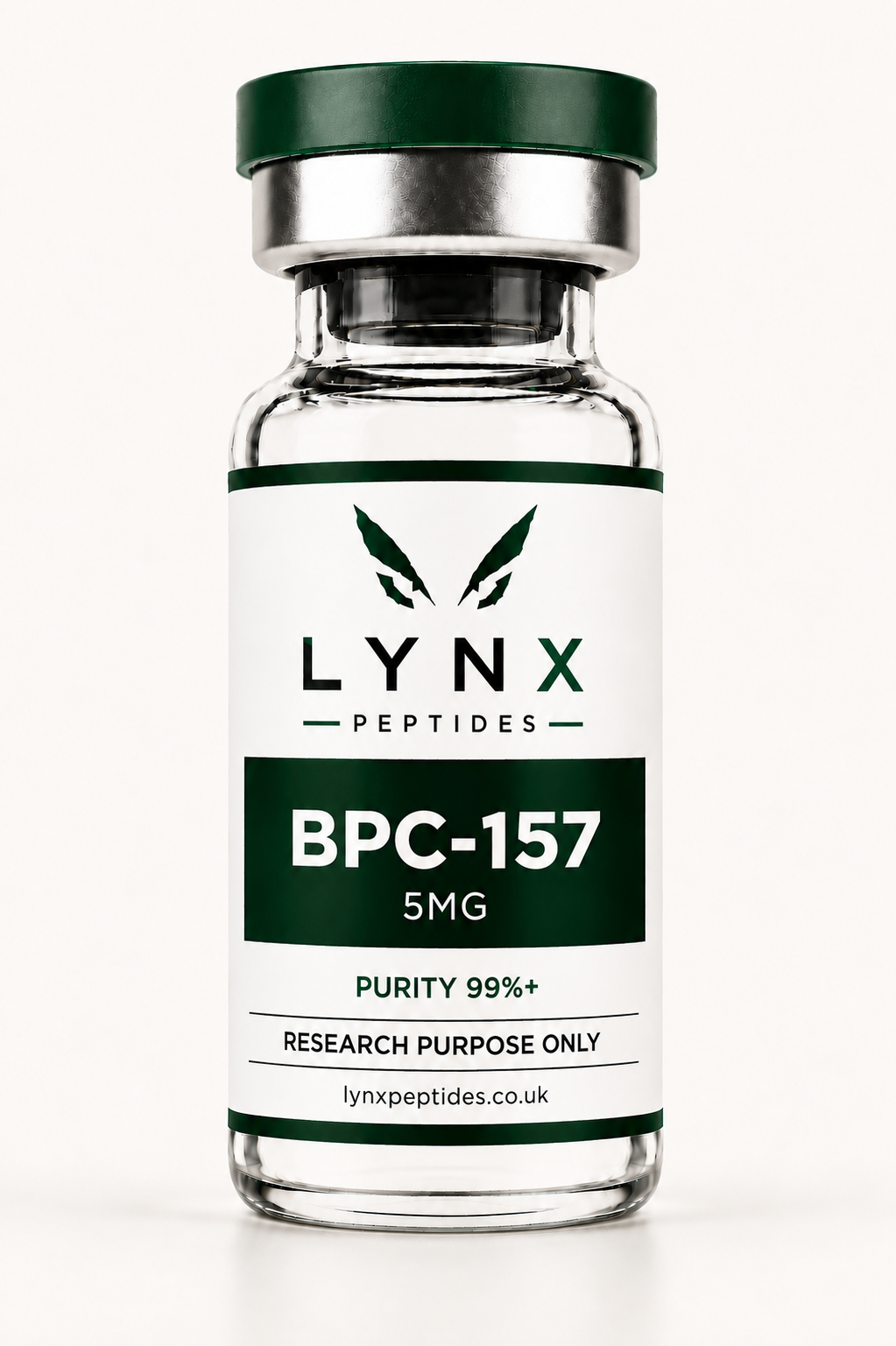 BPC-15715-amino-acid synthetic peptide. Gastric protein-derived sequence for tissue research.
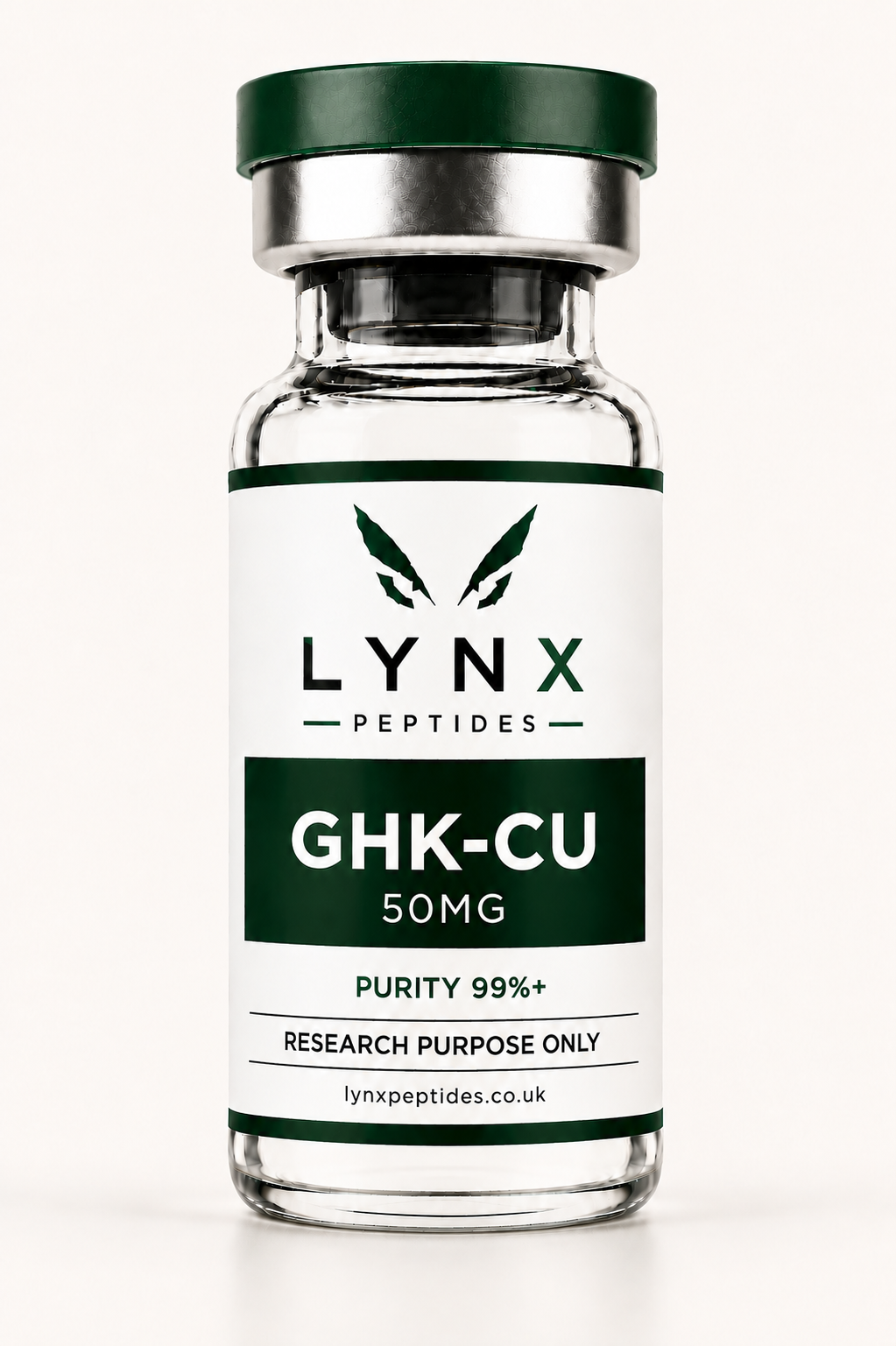 GHK-CUNaturally occurring copper tripeptide. Skin biology and tissue remodelling research.
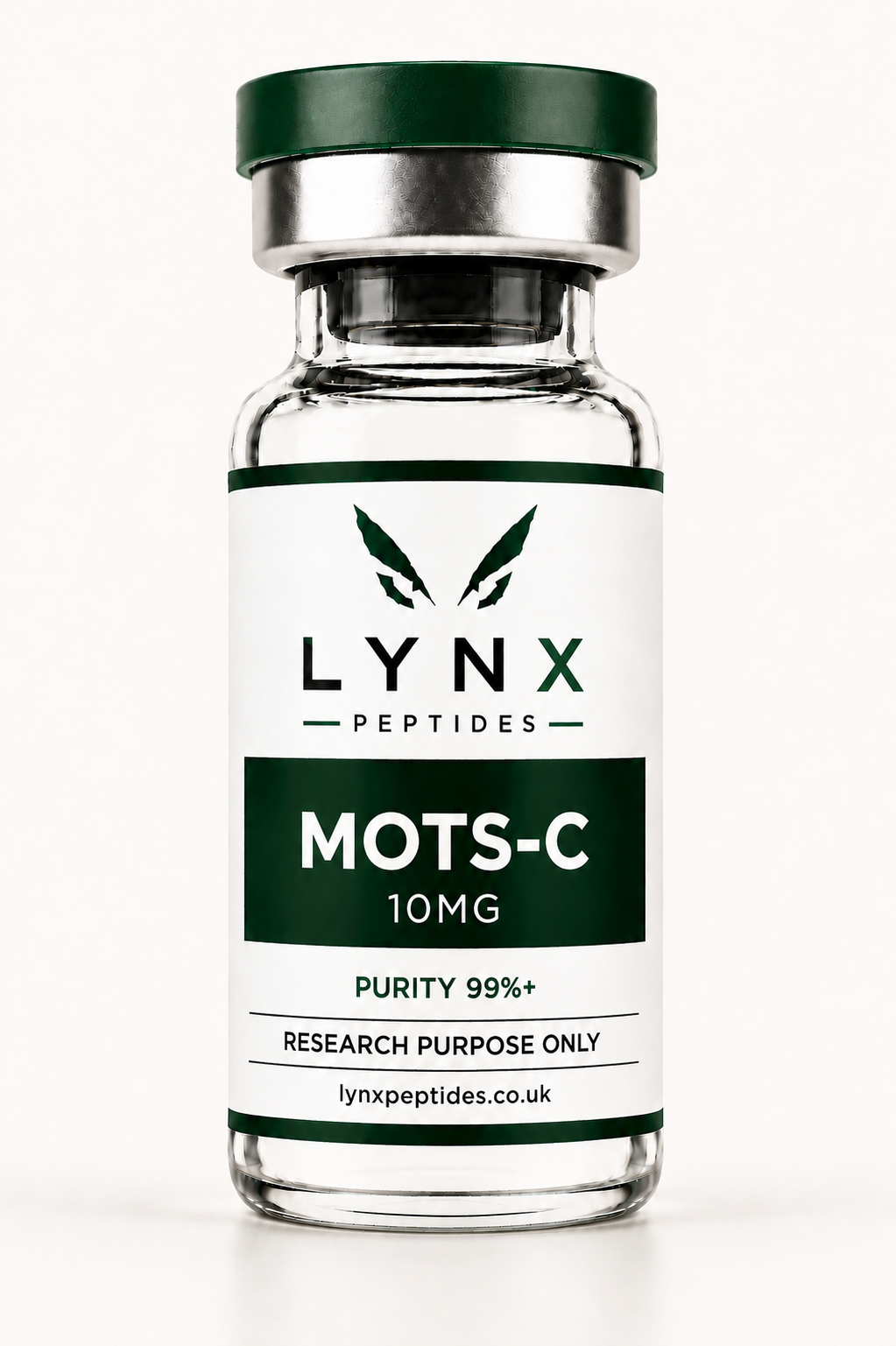 MOTS-C16-amino-acid mitochondrial peptide. Cellular metabolism and energy research.
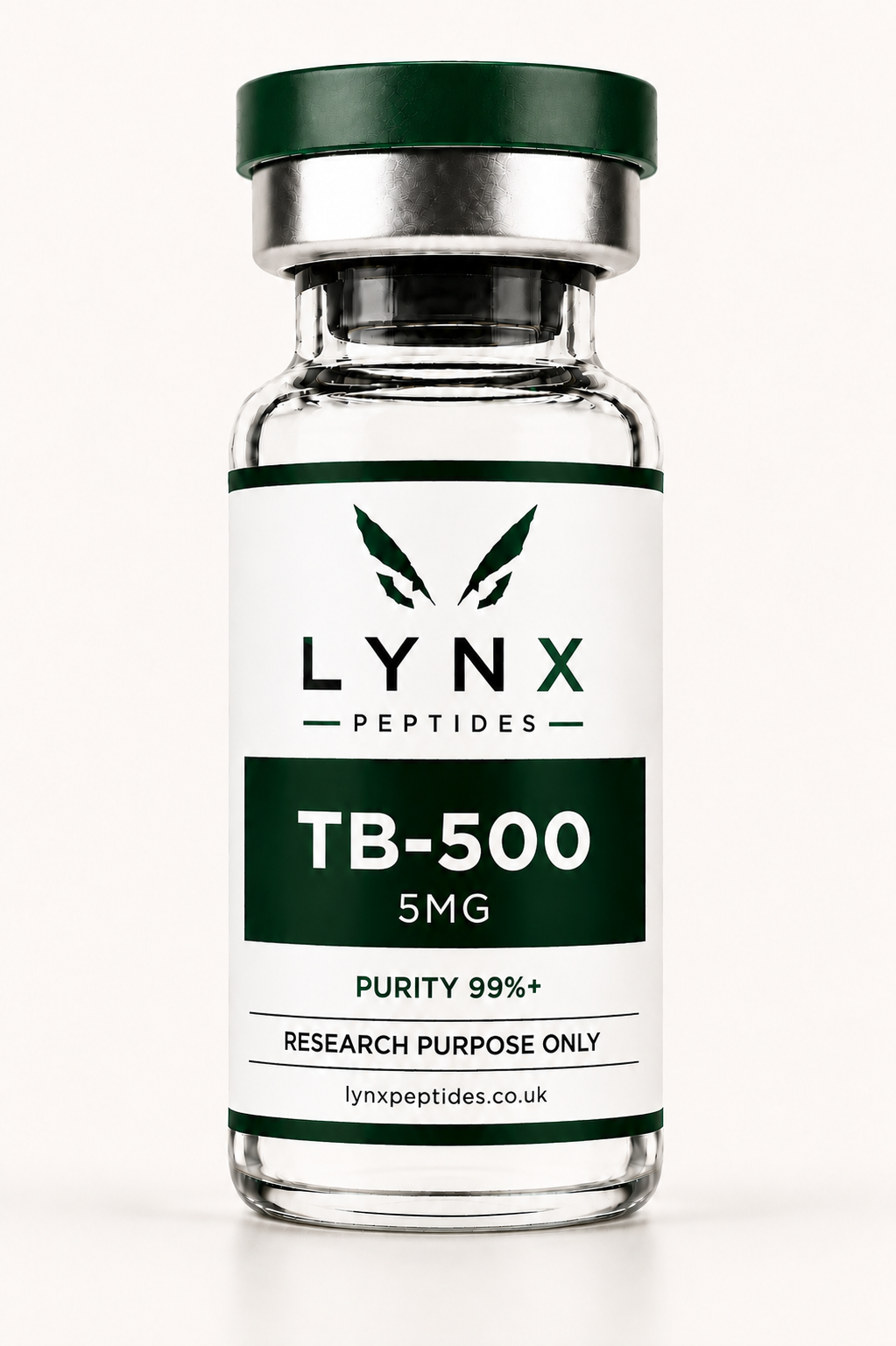 TB-500Synthetic thymosin beta-4 fragment. Cell migration and tissue research.
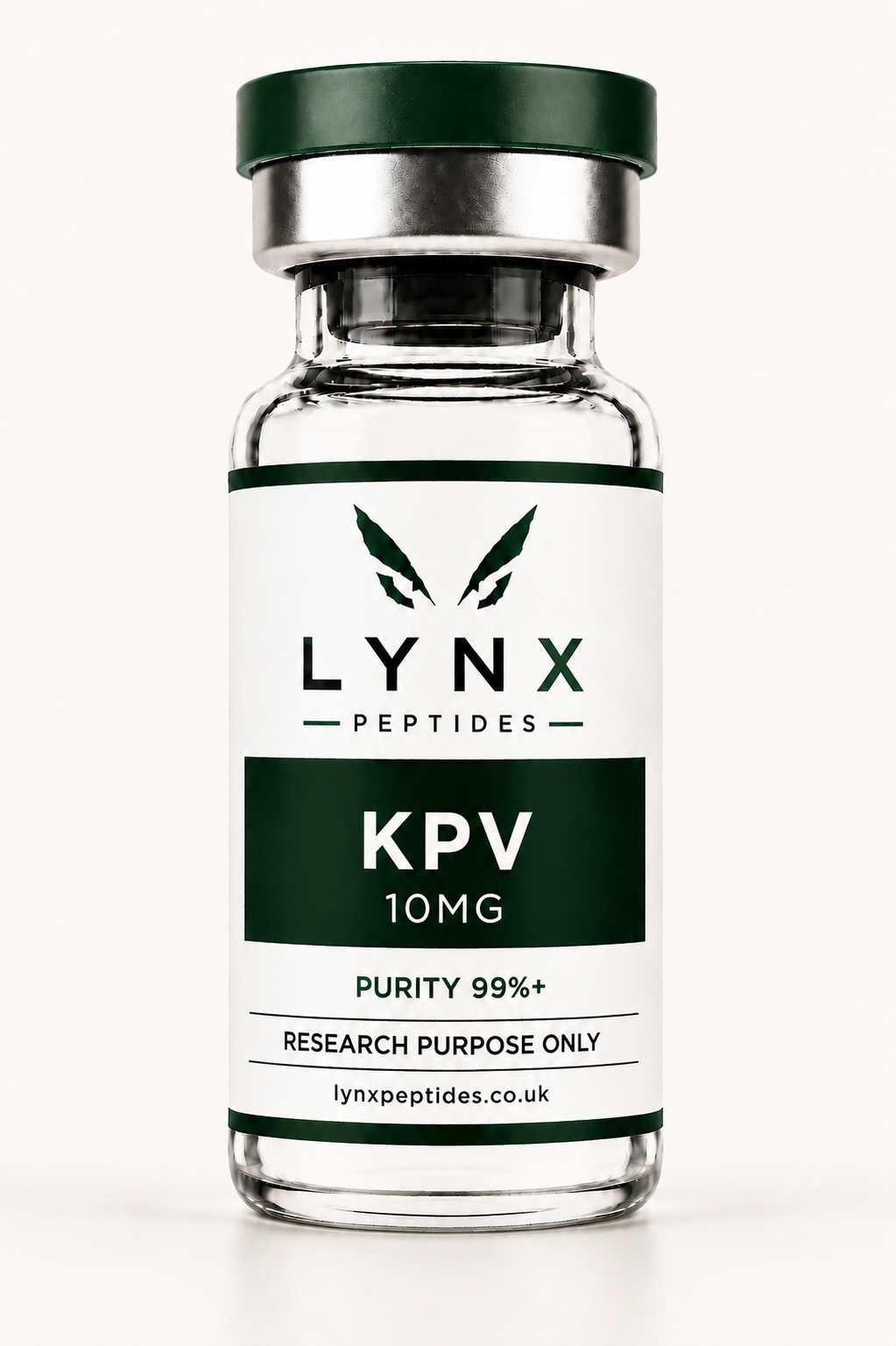 KPVThree-amino-acid α-MSH fragment. Inflammatory signalling and barrier research.
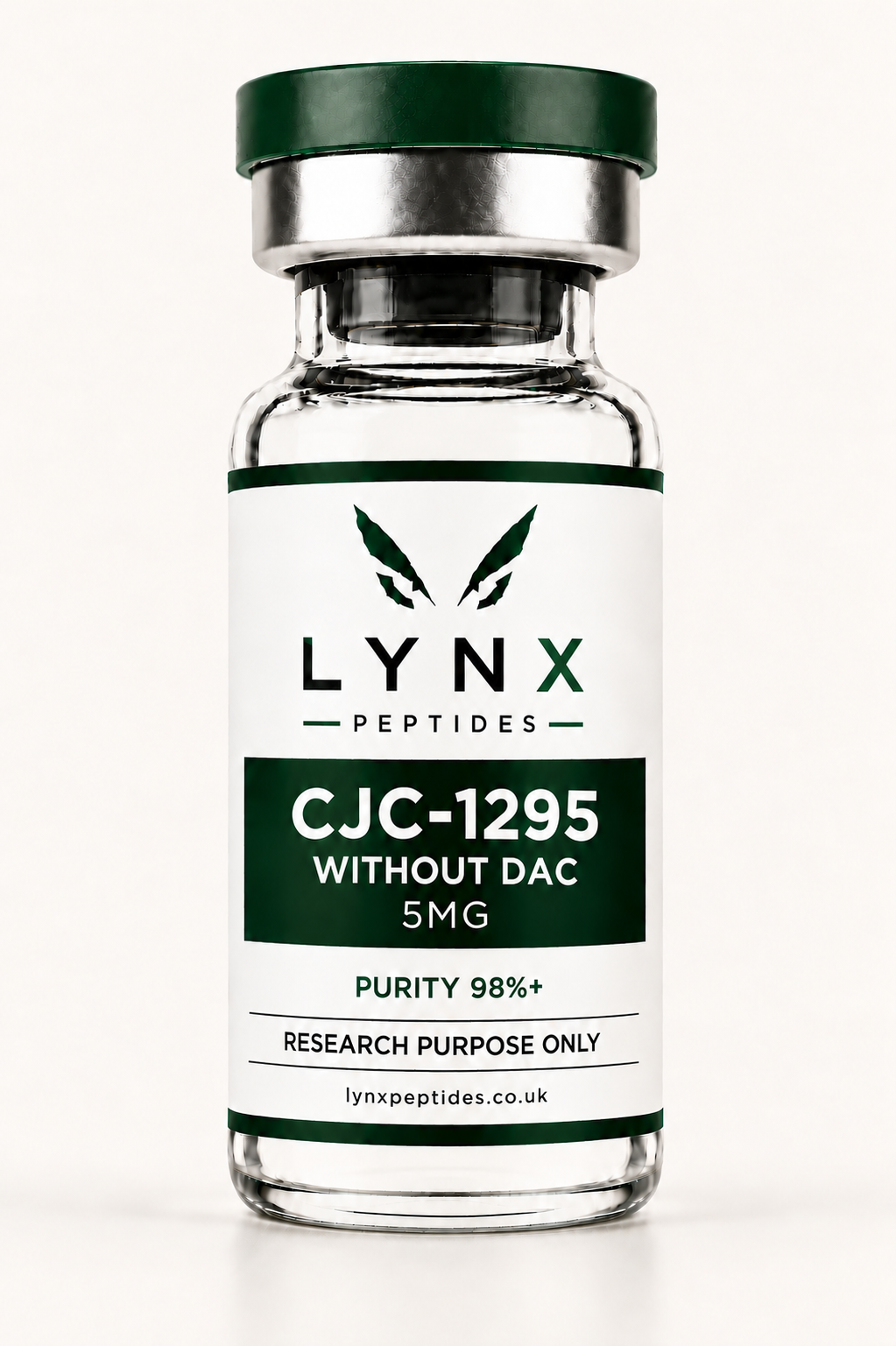 CJC-1295Modified GHRH analogue. Growth hormone signalling research.
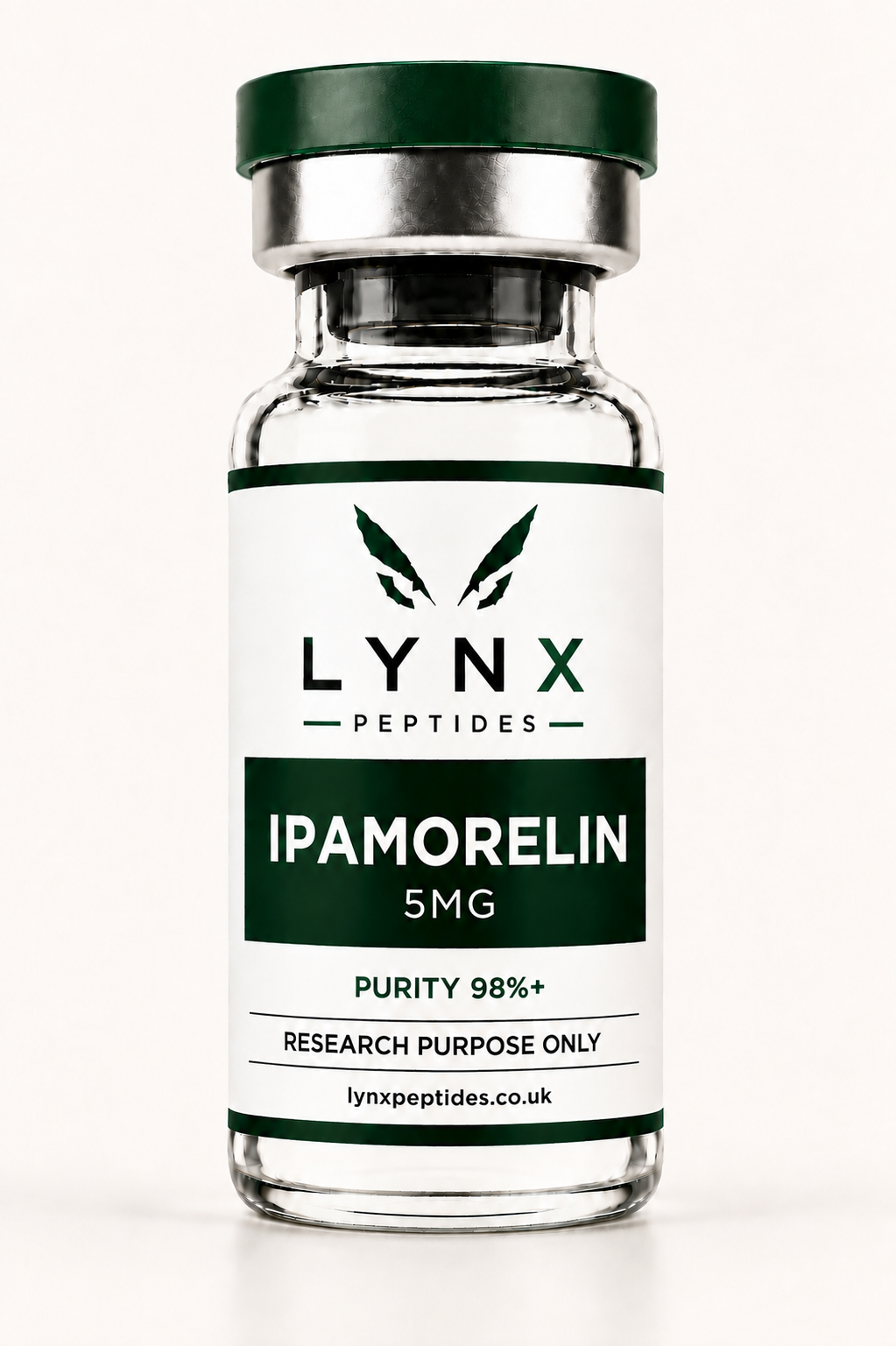 IpamorelinSynthetic ghrelin-receptor agonist. Growth hormone signalling research.
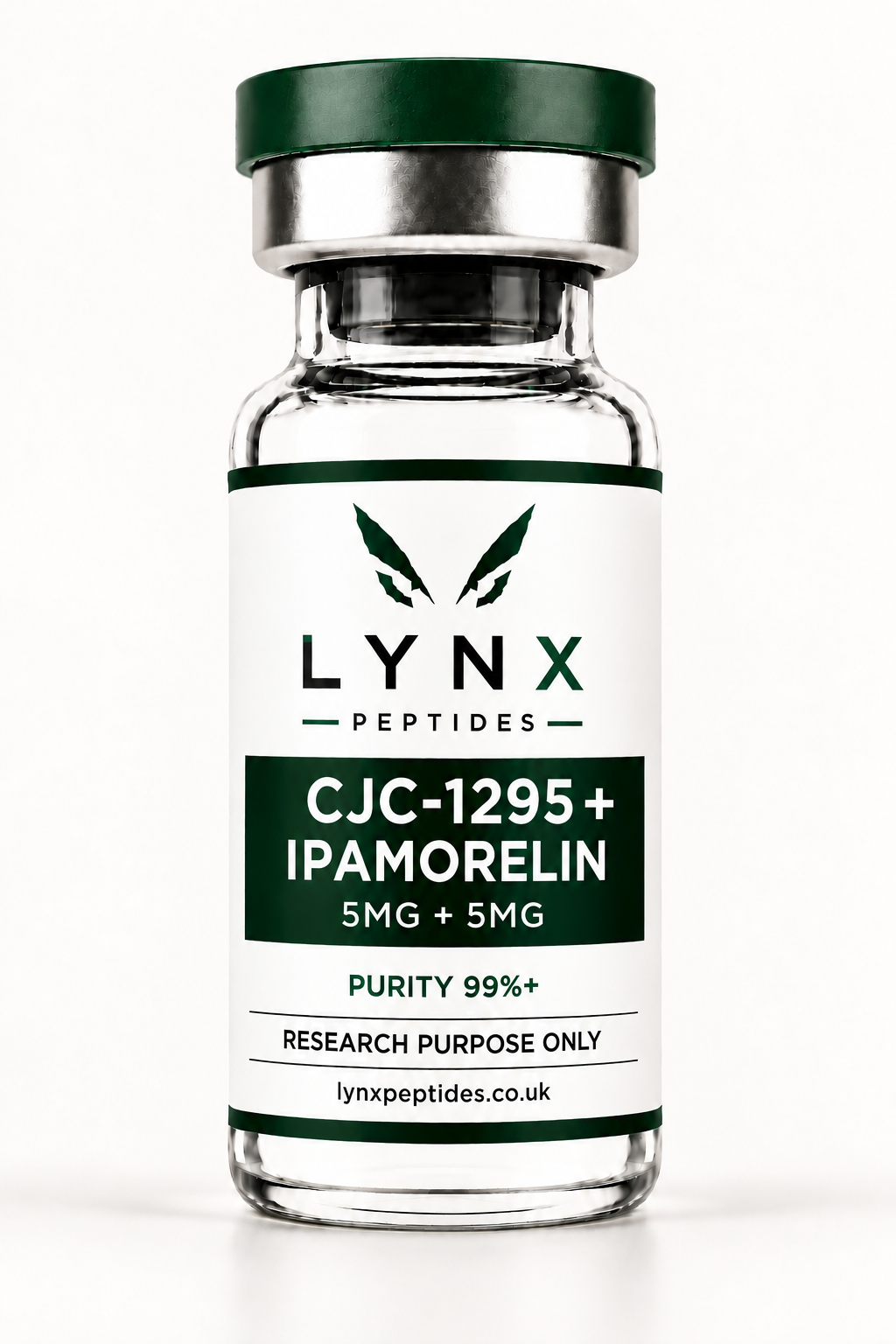 CJC-1295 + IpamorelinTwo-peptide research blend. CJC-1295 without DAC and Ipamorelin combined.
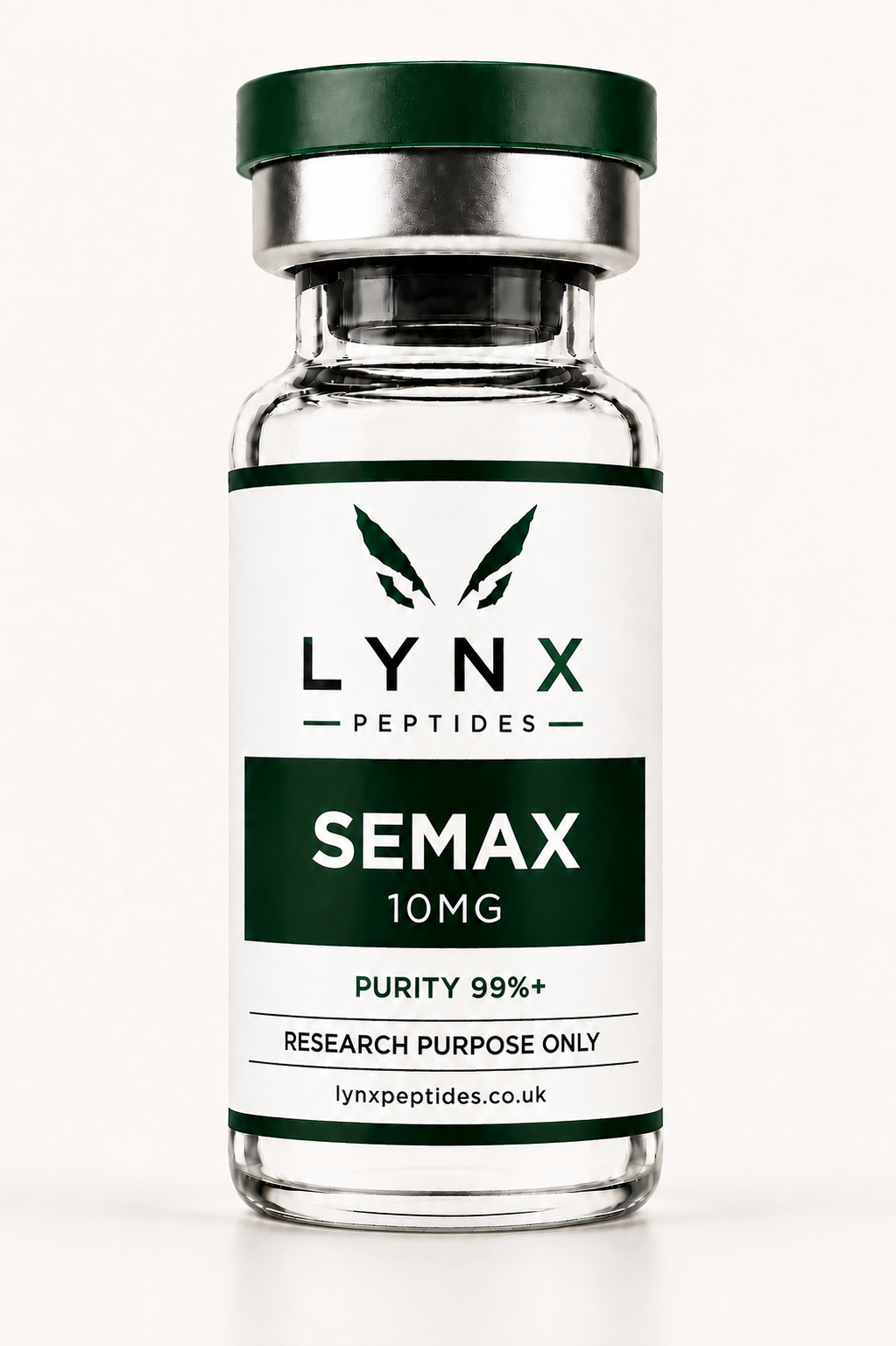 SemaxSynthetic ACTH-derived peptide. Neurological and cognitive research.
 Reconstitution guideChoosing a diluent and calculating concentration in the lab.
 Research peptide storageHow temperature and handling affect peptide stability.
All products supplied for laboratory research use only. Not for human consumption or veterinary use.